


















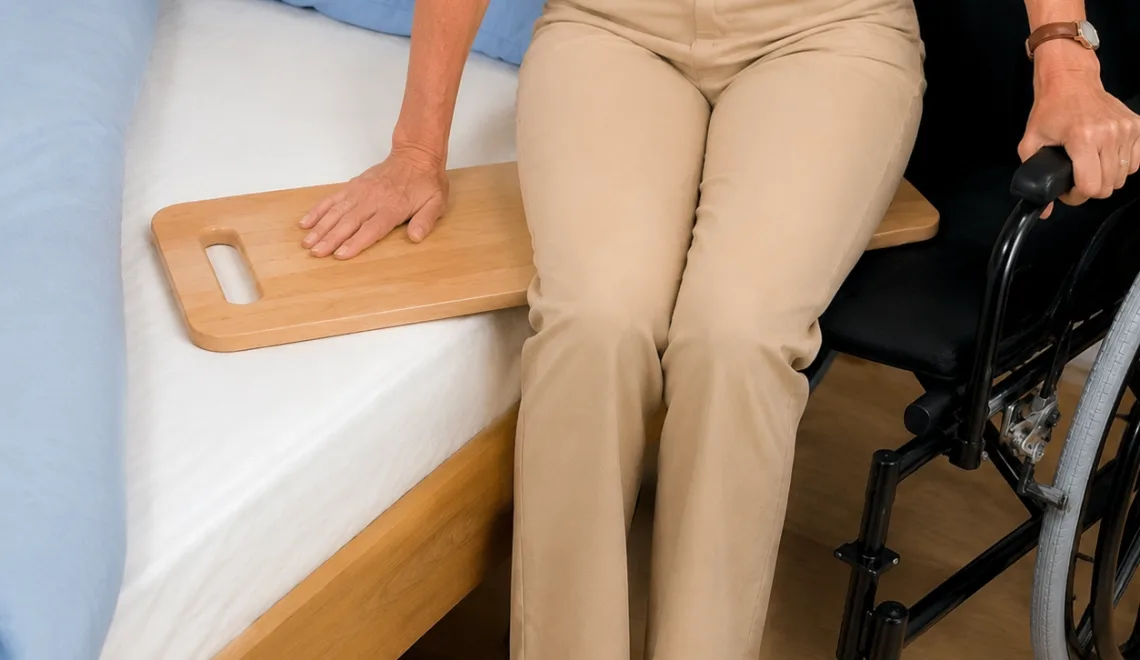
For people with reduced or no ability to bear weight through the lower limbs, transferring between an electric wheelchair and other surfaces such as a bed, chair, sofa, or car seat can be physically demanding and requires careful attention to safety.
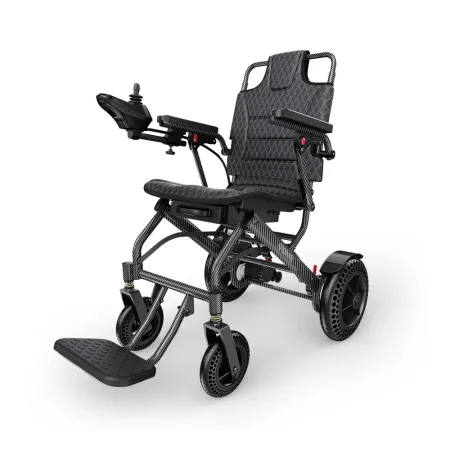
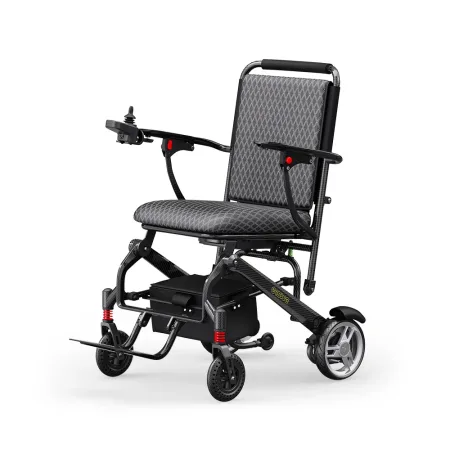
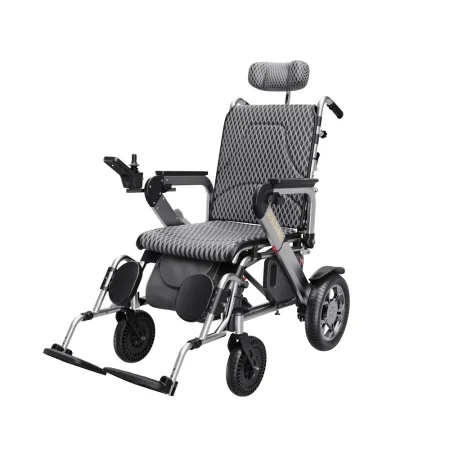
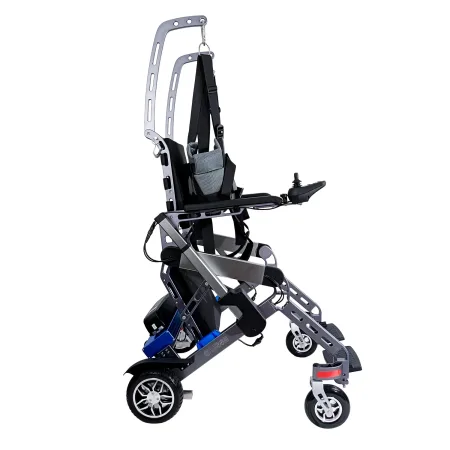
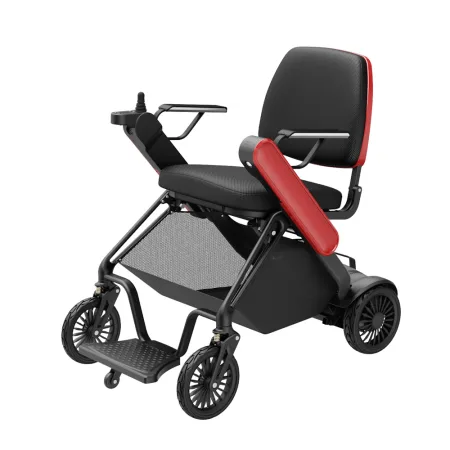
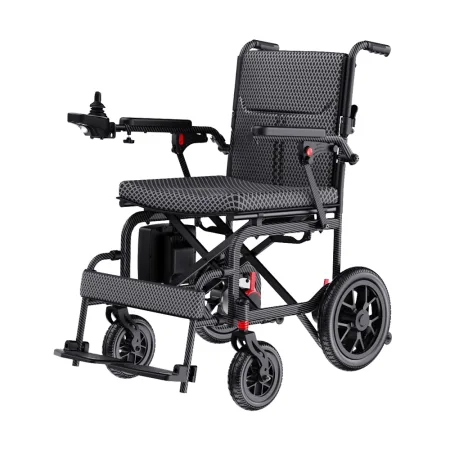
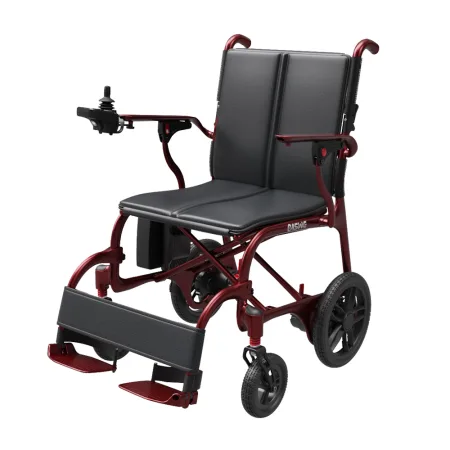
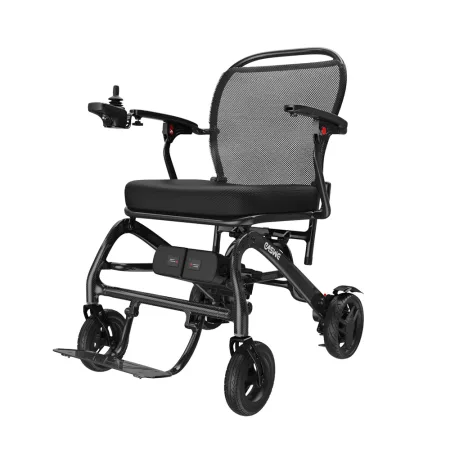
Sliding boards and gait belts are widely used assistive tools that may help make transfers safer and more controlled. When combined with an electric wheelchair featuring flip-up armrests, such as EASWE models, they can support easier positioning during daily transfers.
Key Assistive Tools
Sliding Board
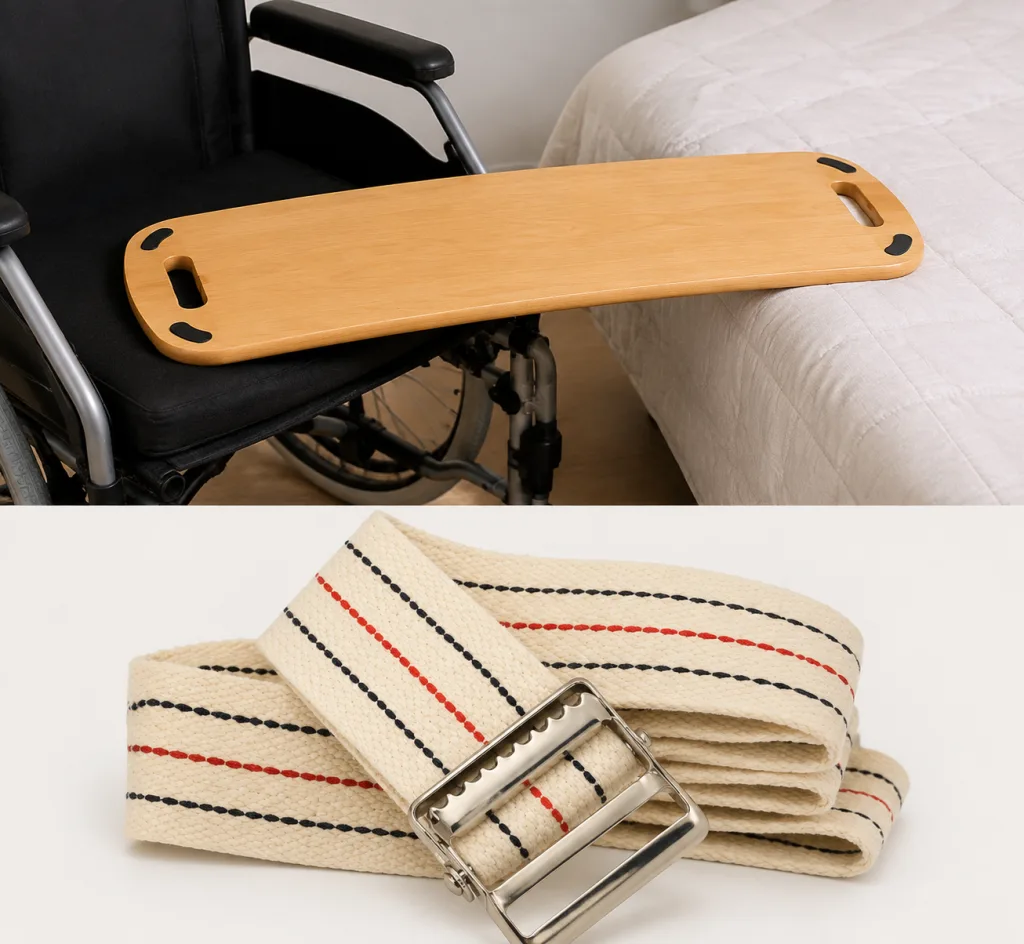
Sliding board (also called a transfer board) is a smooth, rigid board that bridges the gap between two surfaces, such as a wheelchair and a bed. The board creates a stable pathway between surfaces. Instead of lifting the body completely, the user performs a series of controlled movements across the board. This makes a wheelchair to bed transfer much safer and less physically demanding.
Gait Belt
Gait belt (or transfer belt) wraps around the user’s waist, giving caregivers a secure handhold during transfers. The most commonly used style is the tooth-and-receptacle metal buckle, as it allows very fast and flexible adjustment of tightness during transfers.
Transfer Procedure Overview
Preparation Steps
1. Height selection
Transferring from a higher surface to a lower surface is the easiest. Level-to-level transfers are also acceptable, while transferring from a lower surface to a higher one (uphill transfer) is the most difficult.
2. Wheelchair positioning
Place the wheelchair at an angle to the target surface. Avoid positioning it completely parallel, as this helps shorten the transfer distance.
3. Remove obstacles
Take off the footrests and remove the armrest on the side closest to the target surface.
4. Lock the brakes
Always fully lock the wheelchair brakes before starting the transfer.
5. Position the sliding board
Have the user lean to one side, then securely place the slanted end of the sliding board under the user’s hip.
Safety Principles
1. Forward lean
The user must be instructed to lean forward throughout the entire transfer. Leaning backward increases the risk of sliding off the board.
2. Hand placement
The user may place their hands on the surface of the sliding board, but must never insert fingers into the handle holes or grip the edges tightly, as this may cause finger pinching during movement.
3. Segmented movement
The transfer does not need to be completed in one motion. It can be done in 3–4 small, controlled movements while staying calm and following verbal cues.
4. Therapist assistance
The therapist should provide clear commands, while holding the gait belt for support and adjusting their position as the user moves.
After Transfer
1. Adjust seating position
Once the user reaches the target surface, assist them in adjusting their posture and sitting position.
2. Remove the sliding board
Have the user lean to the opposite side to safely remove the board.
3. Two-person assistance principle
If there is any uncertainty about safety, two caregivers should assist—one positioned in front to guide and give instructions, and another behind to provide additional support.
EASWE Wheelchair Design Consideration
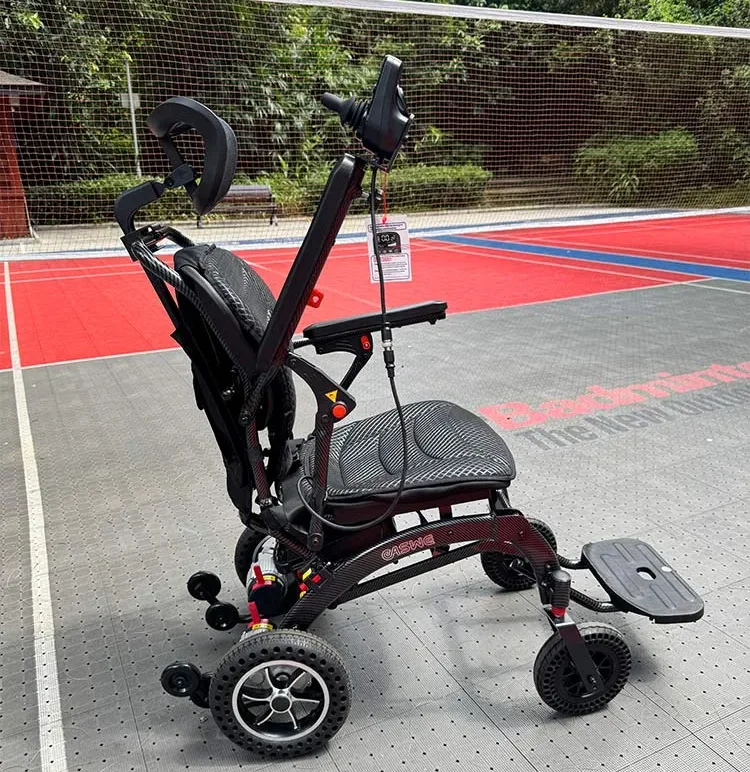
The flip-up armrests create a genuinely barrier-free transfer zone. The leveled premium cushion gives the sliding board a stable, flat foundation. Together, they reduce strain on caregivers, lessen anxiety for users, and support a daily routine that promotes independence.
👉https://easwe.eu/product-category/electric-wheelchairs/
Professional Advice:Safe transfers depend on proper technique, appropriate assistive tools, and practice. Always consult a licensed Occupational Therapist or Physiotherapist for personalized guidance.