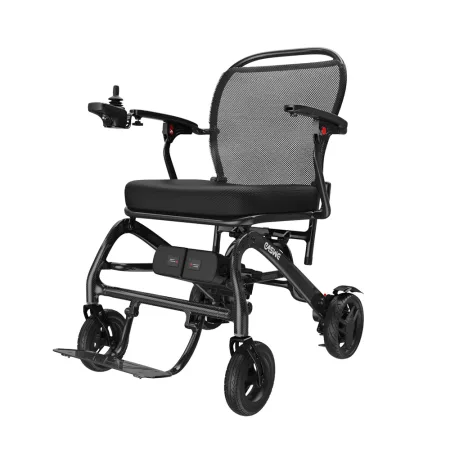



















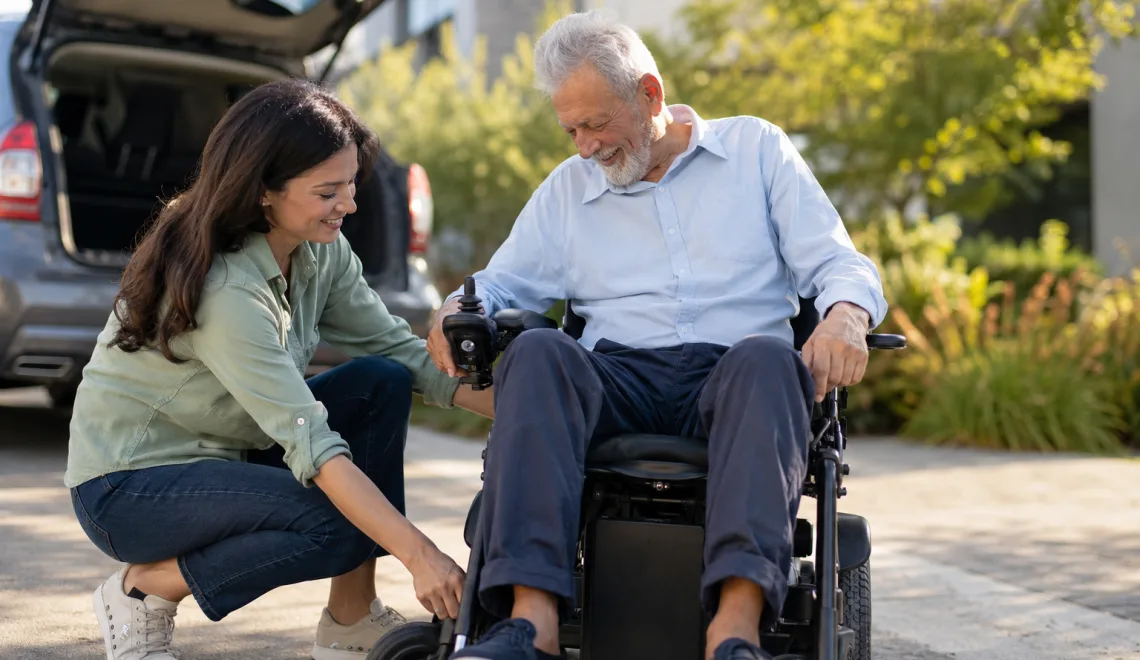
Across Europe — from the Netherlands and France to Spain and Poland — more older adults and their families are turning to powered wheelchairs to maintain independence and quality of life. The right electric wheelchair enables seniors to move freely in the home, visit family, attend medical appointments, and take part in everyday community life.
This guide helps you understand what to look for, what to avoid, and which models from EASWE are worth serious consideration.
What Really Matters When Choosing a Powered Wheelchair
Ease of Independent Use
The single most important feature is whether the senior can operate the chair confidently and independently. A joystick should be intuitive and responsive — easy enough to manage for a first-time user, yet precise enough for navigating narrow European apartment corridors, lift doors, and cobblestone-adjacent pavements. A clear display showing battery level reduces anxiety about running out of charge unexpectedly.
Getting In and Out of the Chair
Seniors dealing with hip or knee problems, osteoporosis, or post-operative limitations will find that seat height, armrest clearance, and footrest positioning make a real difference to every transfer. This factor is frequently underestimated when shopping online.
Transportability
Across much of Europe, families use compact city cars. A powered wheelchair that folds to a slim profile and weighs around 16–18 kg can fit into these cars comfortably. Some models fold side-to-side to just 31 cm, making them a practical choice even for smaller boots.
Comfort Over Time
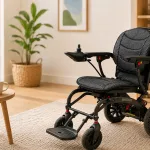
Whether waiting at a medical centre, attending a family occasion, or simply spending an afternoon at home, many seniors sit in their wheelchair for an hour or more. At that duration, the quality of the seat cushioning, backrest support, and headrest availability directly affect physical comfort and wellbeing.
Everyday Navigation in Europe
Old town centres, narrow apartment building entrances, indoor markets, and standard home doorways all present real navigational challenges. A chair with a compact footprint and precise low-speed handling will outperform a faster model in virtually every real-world European scenario.
Specifications Worth Understanding
Motor
Brushless motors are quieter, more energy-efficient, and more durable than conventional brush motors. Dual motors — one per rear wheel — deliver better grip and smoother cornering.
Battery
Lithium-ion batteries are now the standard for a good reason: they are lighter, charge faster, and retain their capacity more reliably than older battery types. A detachable battery can be taken inside to charge at a standard socket without moving the chair.
Range
For most daily use — visiting a local market, attending an appointment, meeting friends — a rated range of 24 kilometres per charge is sufficient. More active users may benefit from a higher-rated model or a spare battery.
Weight
Under 19 kg is manageable for most adults. Under 16 kg is easy to handle and significantly reduces the physical demands on caregivers who load and unload regularly.
Tyres
Honeycomb tyres are puncture-proof and require no inflation — a practical advantage whether you are crossing cobblestones in an old town or navigating a smooth indoor corridor. They eliminate a maintenance task that seniors and their families simply do not need.
EASWE Models: Three Options for Different Needs
All models include:
- 24–48 km range
- detachable 12Ah lithium battery
- electromagnetic braking
- 360° joystick
- free shipping & 60-day returns
- 5-year warranty
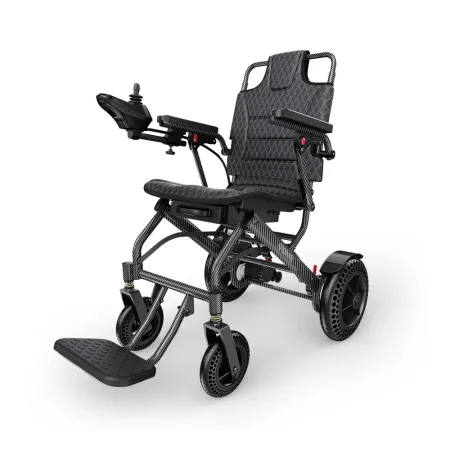
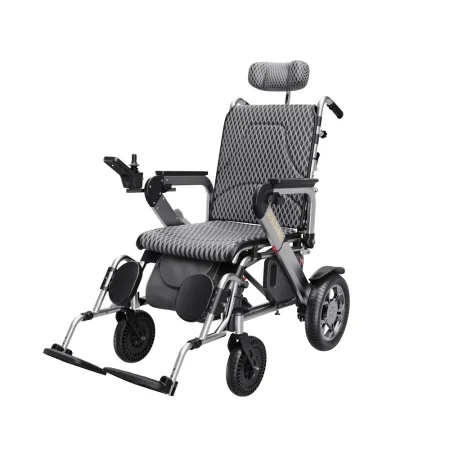
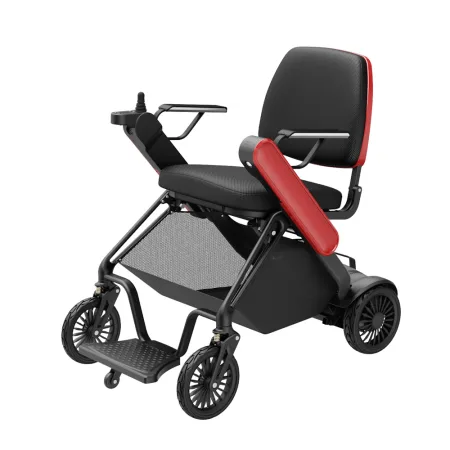
EASWE B10 — Best for All-Day Comfort
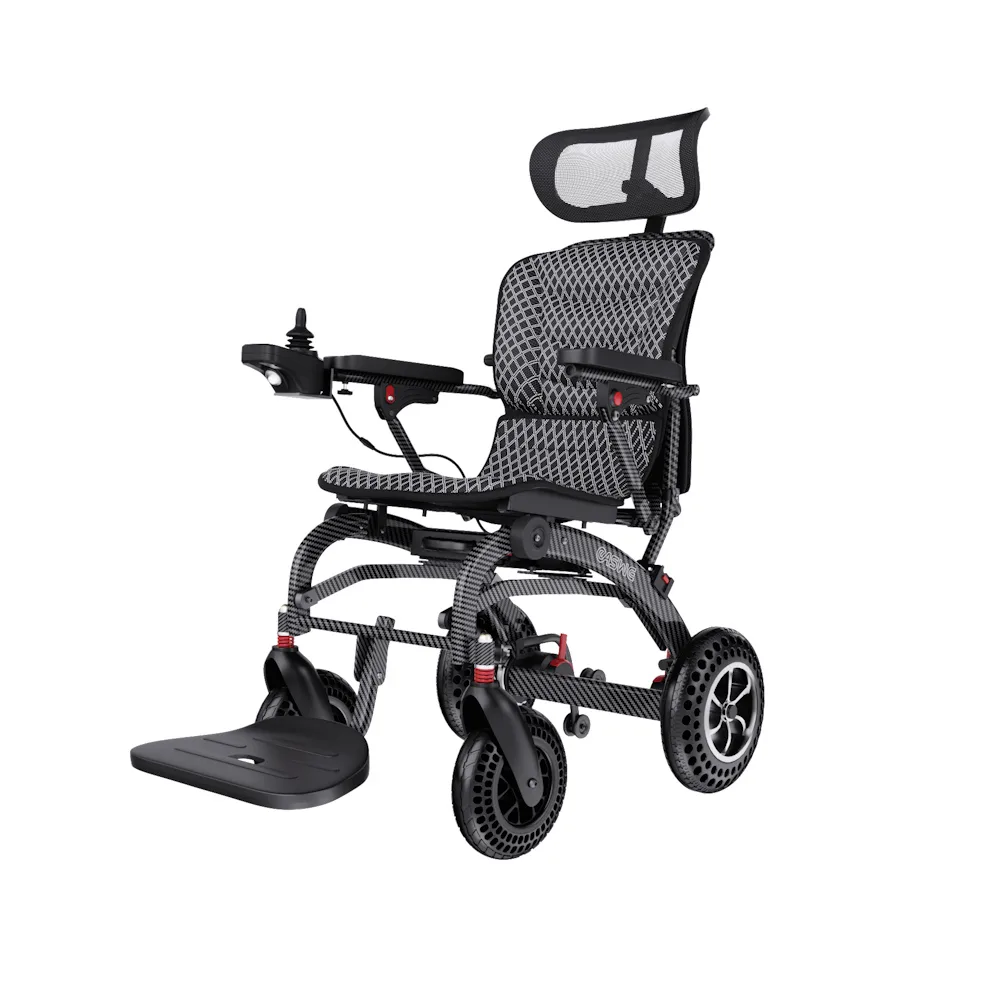
Best for: seniors who spend long periods in their wheelchair, or who require personalised back and neck support.
The B10 is designed for extended comfort use.
- Fully adjustable headrest, backrest, armrests
- Comfortable for 1+ hour continuous use
- 18 kg aluminum frame
- Front-to-back folding for boot storage
Why choose it:
The B10 is the right choice when the priority is physical comfort throughout a full day of use. It is particularly suitable for seniors who have found standard chairs uncomfortable over longer periods.
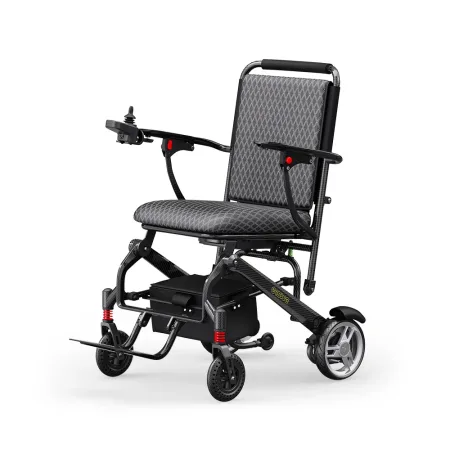
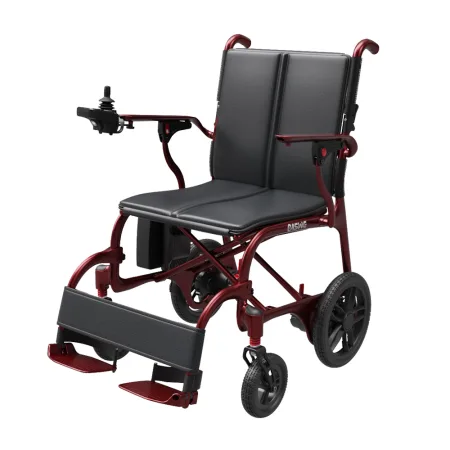
EASWE D10 — Best for Transport and Travelling
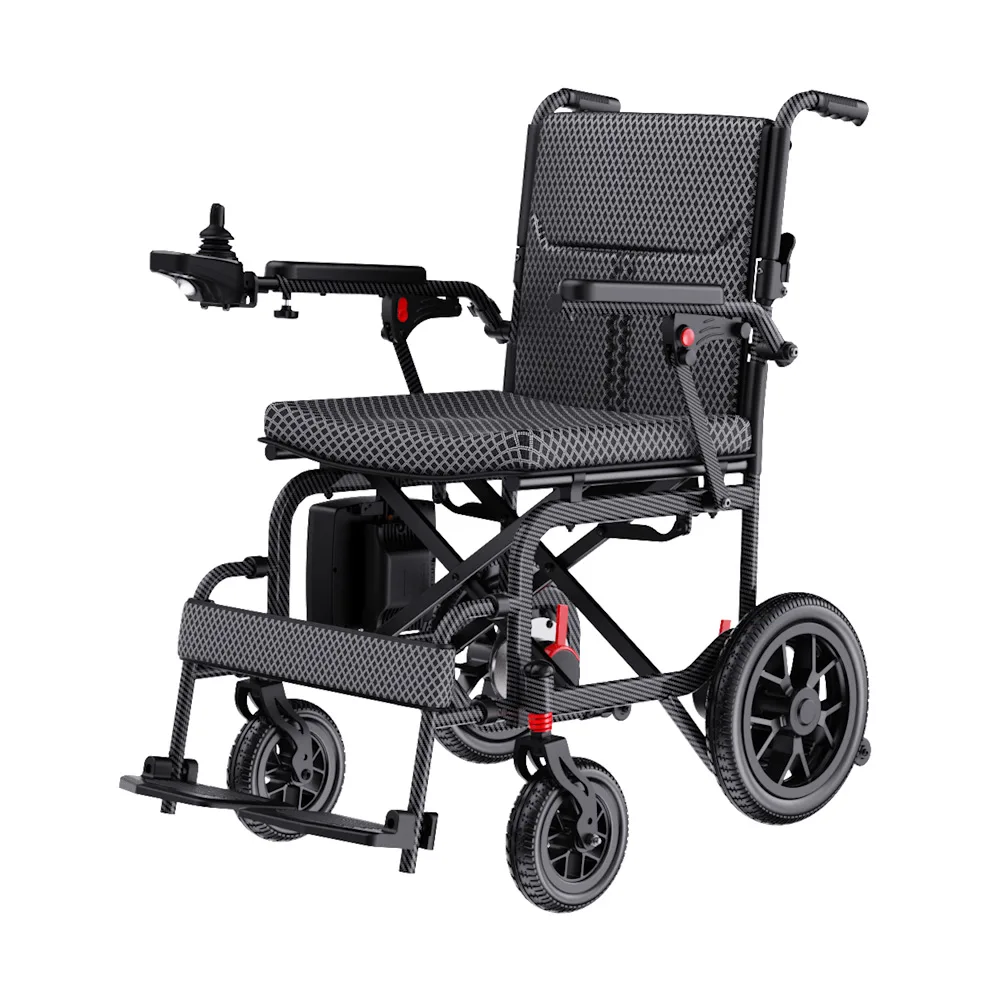
Best for: families who travel frequently, use public transport, or load the chair into smaller vehicles regularly.
- Side-fold design
- 16 kg lightweight frame
- Wider 17.25 in seat
- Highly compact for travel use
Why choose it:
The D10 is the answer for portability and transport flexibility.
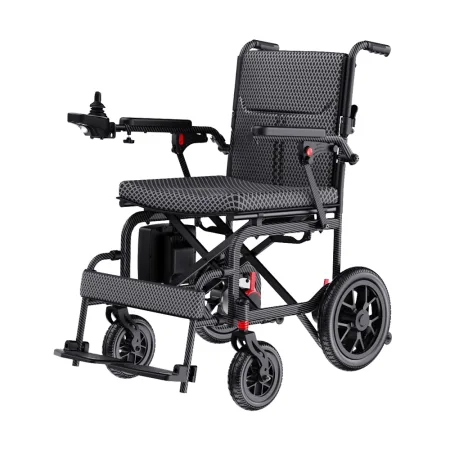
EASWE E10 — Best Value for Active Use
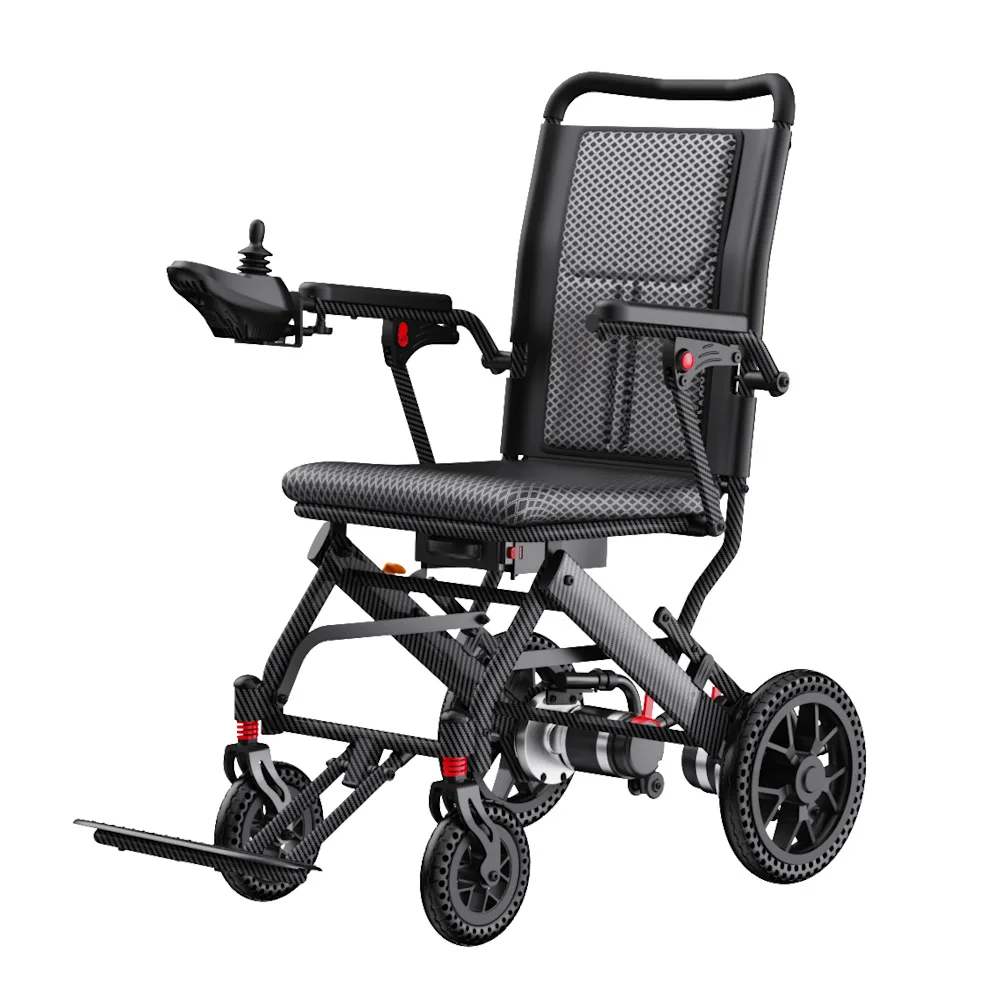
Best for: seniors who are relatively active and want a well-specified chair at a lower price.
- 250W motors (stronger incline performance)
- 12-inch rear wheels
- 19 kg aluminum frame
- Competitive price point
Why choose it:
The E10 offers the best combination of performance and price in the EASWE range. For seniors using the chair primarily at home or in a fixed location, it covers all the essentials without the premium cost.
Model Comparison Table
| Feature | B10 | D10 | E10 |
|---|---|---|---|
| Best for | Comfort | Travel | Value |
| Net Weight | 18 kg | 16 kg | 19 kg |
| Load Capacity | 113 kg | 113 kg | 113 kg |
| Headrest | Yes | No | No |
| Adjustment | Full | Armrests | Armrests |
| Seat Width | 16.5 in | 17.25 in | 16 in |
| Motor | 200W | 200W | 250W |
| Rear Wheel | 10″ Honeycomb tires | 10″ Honeycomb tires | 12″ Honeycomb tires |
Frequently Asked Questions
What is the difference between a powered wheelchair and a mobility scooter?
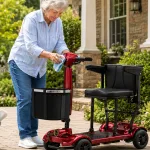
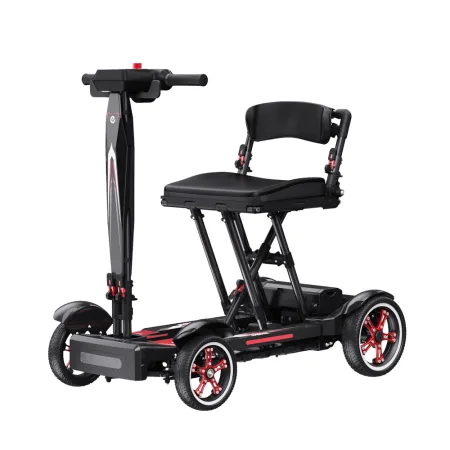
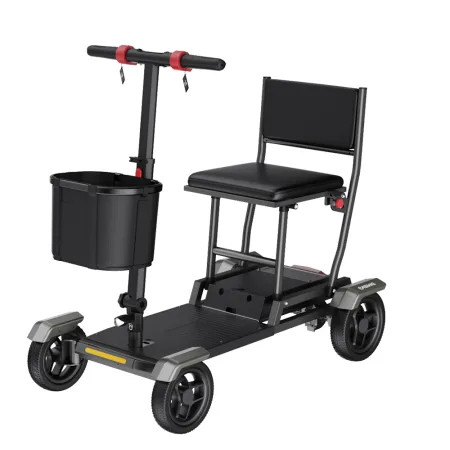
A powered wheelchair uses a joystick controller and provides more postural support, making it better suited to indoor environments, smaller spaces, and users who need a greater level of positioning. A mobility scooter uses a handlebar-style tiller and is often preferred for outdoor use by those who can transfer independently.
What range can I expect?
All three EASWE models are rated at 24 km per charge. Real-world range depends on terrain, user weight, and speed. A spare detachable battery can be carried for longer trips.
How long does charging take?
Approximately five to six hours for a full charge. The removable battery can be charged without needing to move the chair.
Can it be taken on flights?
EASWE’s lithium-ion batteries fall within the standard carry-on battery regulations of most European carriers. However, battery policies vary between airlines, so it is advisable to confirm with your carrier before travelling.
Can it be pushed manually?
Yes. All three models include a manual mode that allows a carer to push the chair freely when the power is switched off.
Maintenance requirements
Routine maintenance includes keeping the battery charged, cleaning the wheels, and periodic checks of key components. EASWE models with honeycomb tyres require no tyre inflation and are not susceptible to punctures — removing one of the most common maintenance concerns.
Final Thoughts
A powered wheelchair should increase independence — not complexity.
Start by identifying the priority:
- comfort
- portability
- value
From there, choosing between B10, D10, and E10 becomes straightforward. To speak with the EASWE team about your specific situation, visit: https://easwe.eu/contact