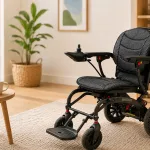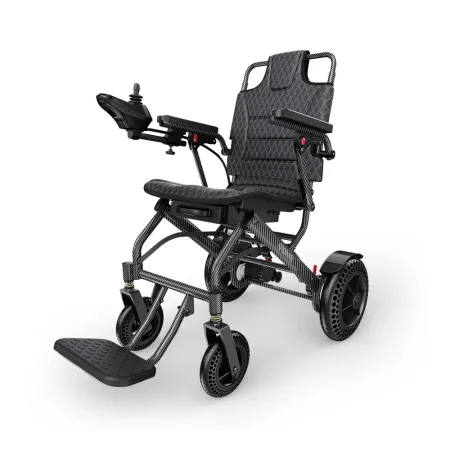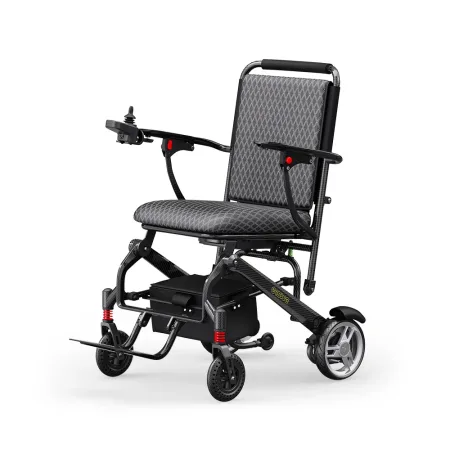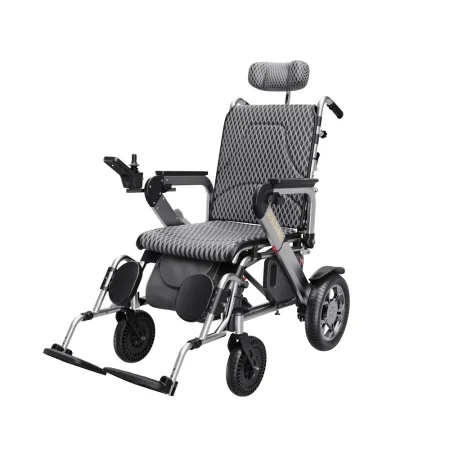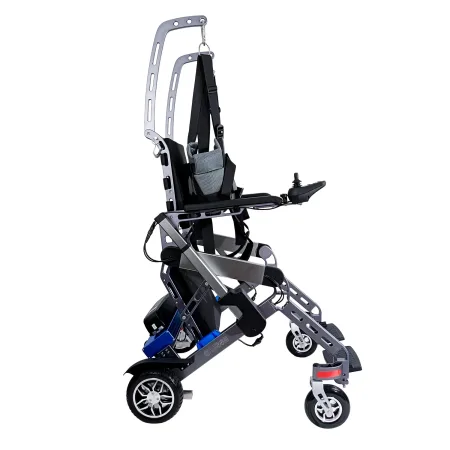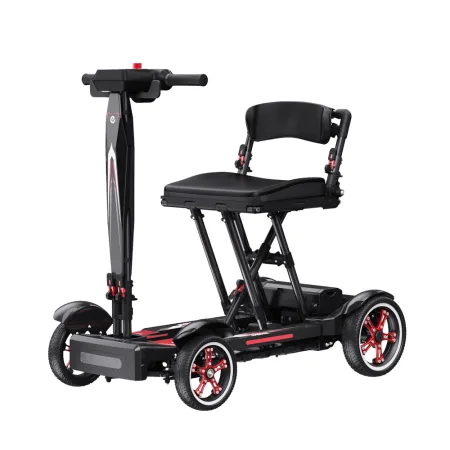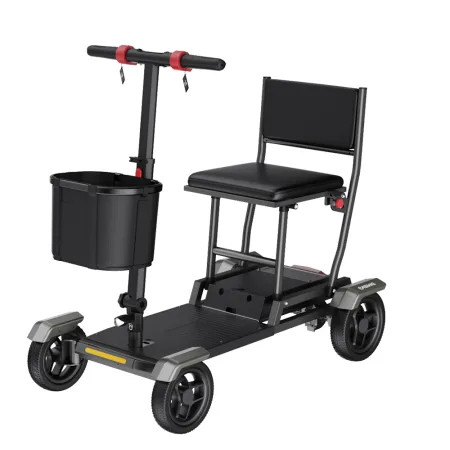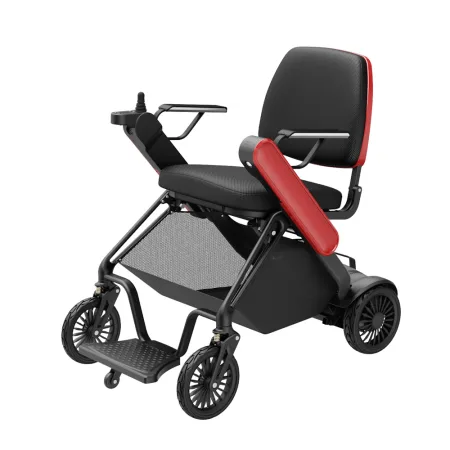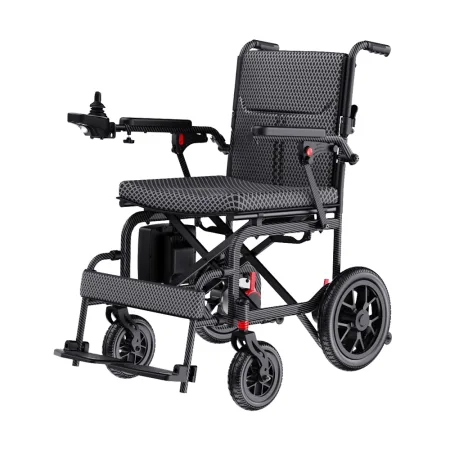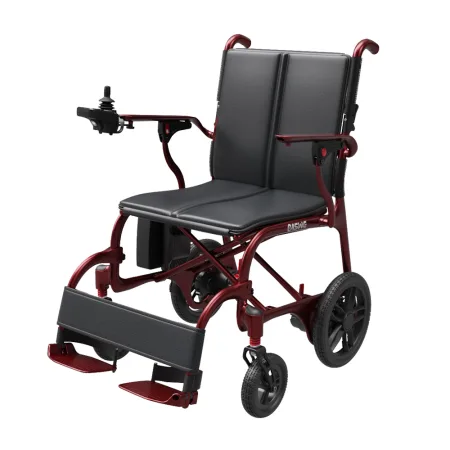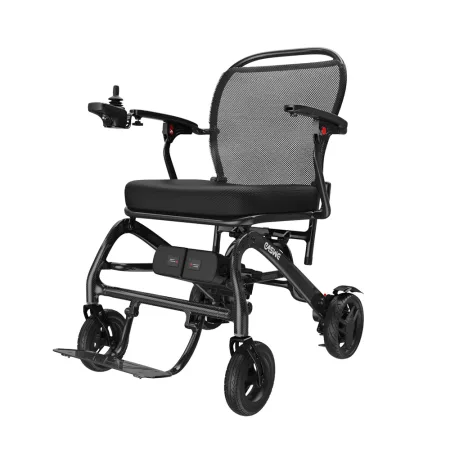




















As a professional manufacturer of power wheelchairs, we receive a wide range of questions from people exploring mobility solutions. Beyond technical topics such as models or maintenance, many concerns are psychological in nature, for example:
- Will I become dependent on it?
- Will it make me less active?
- When might it be worth trying?
These are among the most common concerns when considering a power wheelchair.
In the following sections, we address each of these questions to provide a clearer and more informed perspective.
Does an Electric Wheelchair Make You Dependent?
Many people associate mobility aids with “losing ability” or “giving up”. It can feel like crossing a line—from independence to dependence. In practice, however, the reality is often different.
For people living with conditions such as multiple sclerosis (MS), mobility changes are often gradual, unpredictable, and closely linked to energy levels. Walking may feel manageable one day and exhausting the next.
So the more useful question is not:
“Will this make me dependent?”
But rather:
“Will this help me use my energy more effectively and live more fully?”
In many cases, people do not become more dependent—on the contrary, they often become more active.
1. Energy Conservation
Fatigue in chronic conditions is not simply “feeling tired”—it can be physical, neurological, or systemic.
Using a power wheelchair can help to:
- Reduce the energy required for walking
- Preserve strength for meaningful daily activities
- Avoid overexertion that may worsen symptoms
2. Increased Participation in Daily Life
Many users find that after starting to use a wheelchair, they are able to:
- Go out more frequently
- Spend more time with family and friends
- Travel without worrying about distance limitations
This is not dependence—it is improved access to daily life.
3. Reduced Risk of Falls
Conditions that affect balance, coordination, or muscle strength can increase the risk of falls.
A mobility aid can:
- Lower the risk of falling
- Improve confidence when moving around
- Reduce activity limitations caused by fear
Does Using a Power Wheelchair Make You Less Active or Weaker?
The answer depends on your individual condition and lifestyle.
Using a power wheelchair does not necessarily lead to a decline in physical function. In practice, many people become more active because they are able to go out more often, participate in activities, and stay socially connected.
A balanced approach is often recommended:
- Use the wheelchair for longer distances or when fatigue is significant
- Continue walking or doing physiotherapy where appropriate
- Follow a personalised activity or rehabilitation plan
The goal is not to replace movement, but to optimise mobility—supporting independence while maintaining physical function as safely as possible.
When Should You Consider Using a Power Wheelchair?
Power wheelchairs are designed to enhance independence and support mobility for individuals who have difficulty walking.
You may consider trying one if:
- You avoid going out due to fatigue
- You feel exhausted after short distances
- You are concerned about falling
- You rely heavily on others for longer outings
Trying a mobility aid does not mean making a permanent decision. It simply means exploring what helps you live better.
If you are considering mobility solutions, a well-designed power wheelchair can make a meaningful difference in maintaining independence and quality of life.
👉 Explore Easwe’s range of electric wheelchairs: https://easwe.eu
Final Thoughts
Choosing to use a mobility aid is not a step backwards. It is a practical tool—like many others we use in everyday life. And like any tool, it should support you, not define you.
If you are unsure, speak with your therapist or healthcare professional.
The goal remains the same: to help you stay as active, safe, and independent as possible—on your own terms.